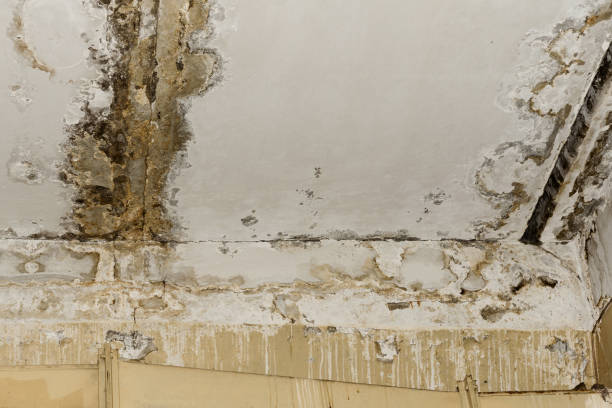
When mold infiltrates a home or commercial space in Montgomery, the consequences extend far beyond unsightly stains. Hidden colonies can compromise indoor air quality, damage structural components, and trigger health concerns for occupants. Addressing mold promptly with a systematic, science-based approach is essential to protect both property value and the well-being of those who live or work inside. This article outlines the key considerations for selecting expert mold removal services, the steps involved in a thorough remediation, and best practices for preventing future growth.
Why Professional Mold Removal Is Critical
Although DIY kits are widely advertised, they often fail to address the root cause of contamination. Professional mold removal offers several advantages that go beyond surface cleaning:
- Accurate identification of mold species using laboratory analysis.
- Containment strategies that prevent spores from spreading to unaffected areas.
- Use of EPA-approved disinfectants and air-scrubbing equipment.
- Compliance with local health and building codes, including licensed mold remediation requirements.
Key Steps in a Comprehensive Mold Remediation Process
1. Inspection and Assessment
The first phase involves a detailed visual inspection combined with moisture mapping and, when necessary, air sampling. Certified technicians evaluate the extent of contamination and create a remediation plan tailored to the specific environment. For those searching for reliable options, resources such as mold removal services montgomery provide listings of qualified providers.
2. Containment
To protect unaffected spaces, the work area is sealed with plastic barriers and negative air pressure is established. This step minimizes the risk of cross-contamination and is a standard practice among reputable mold removal contractors.
3. Air Filtration
High-efficiency particulate air (HEPA) units run continuously to capture airborne spores. Proper filtration is especially important in occupied buildings where indoor air quality must remain safe for occupants.
4. Removal of Contaminated Materials
Porous materials that have absorbed mold, such as drywall, insulation, and carpet, are carefully removed and disposed of according to hazardous waste guidelines. Non-porous surfaces are cleaned with specialized solutions designed for professional mold removal.
5. Cleaning and Disinfection
All remaining surfaces receive a thorough scrub and a biocide treatment to eliminate any residual spores. This step ensures that the environment is truly clean before the final verification.
6. Drying and Dehumidification
Moisture is the primary driver of mold growth. Industrial-grade dehumidifiers and air movers are deployed to bring relative humidity levels below 60″?% and to dry building components completely.
7. Post-Remediation Verification
After the work is completed, a final inspection and, if needed, clearance testing confirm that the space meets health standards. Documentation of these results is often required for insurance claims and property resale.
Choosing the Right Service Provider
Selecting a qualified partner involves more than a quick internet search. Consider the following criteria to ensure that the chosen firm delivers a truly professional mold removal service:
- Certification from organizations such as IICRC or NORM.
- Evidence of ongoing training in the latest remediation techniques.
- Positive client testimonials and case studies specific to Montgomery.
- Transparent pricing structures and detailed written proposals.
- Availability of emergency response for water intrusion events.
Preventative Measures to Reduce Future Mold Risks
Even after a successful remediation, ongoing vigilance is necessary. Implementing these preventive strategies can dramatically lower the likelihood of recurrence:
- Repair roof leaks, plumbing failures, and HVAC condensation promptly.
- Maintain indoor humidity between 30″?% and 50″?% using dehumidifiers in damp areas.
- Install proper ventilation in bathrooms, kitchens, and laundry rooms.
- Use mold-resistant building materials during renovations.
- Schedule regular inspections, especially after severe weather events.
Local Resources and Further Reading
Residents of Montgomery seeking immediate assistance can explore options like mold removal montgomery or broader regional listings such as mold removal services houston. For those who prefer a quick search, terms like mold removal services near me or Mold Removal near me often yield reputable contractors with local expertise.
Conclusion
Effective mold remediation in Montgomery demands a blend of scientific rigor, industry certification, and meticulous execution. By understanding the full remediation workflow, evaluating service providers against clear standards, and adopting proactive moisture-control practices, property owners can safeguard their structures and health against the hidden dangers of mold. Investing in qualified mold removal contractors today prevents costly repairs and health complications tomorrow.