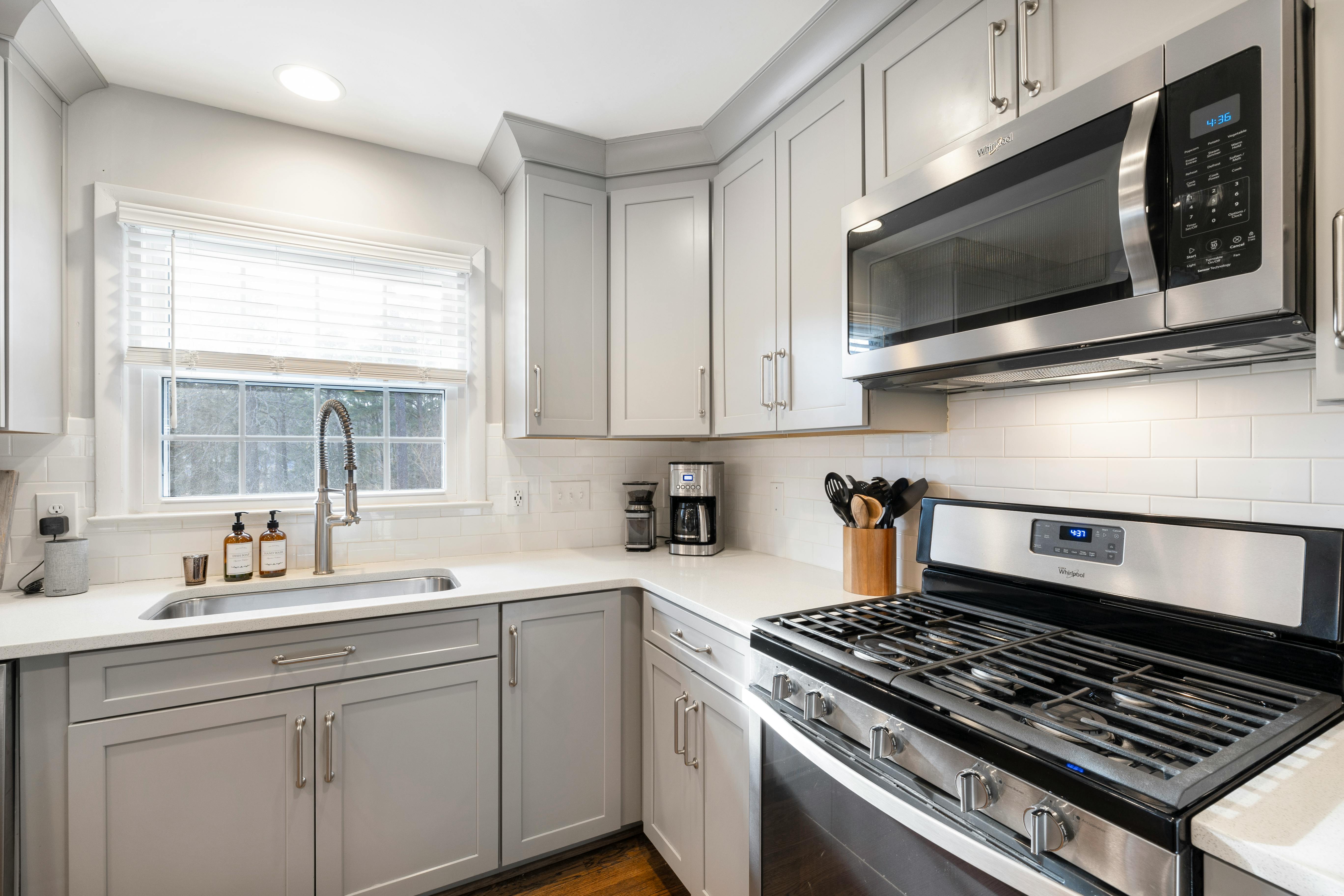
Designing a workspace that balances aesthetics, functionality, and brand identity is essential for fostering productivity and employee satisfaction. A thoughtfully styled office not only reflects professionalism but also creates an environment where ideas flourish. By integrating strategic interior styling, such as purposeful color schemes, ergonomic furniture, and curated d??cor, businesses can transform ordinary rooms into inspiring hubs that support both collaboration and focused work.
Key Principles of Business Interior Styling
1. Align Design with Brand Identity
- Choose a color palette that mirrors the brand’s visual language; muted tones convey stability while vibrant accents signal innovation.
- Incorporate subtle branding elements, like logo-etched glass partitions or custom-printed wall art, to reinforce corporate values without overwhelming the space.
- Use materials that echo the brand’s ethos; for example, sustainable wood for eco-focused companies or sleek metal finishes for tech-driven firms.
2. Prioritize Ergonomics and Comfort
- Invest in adjustable chairs and desks to accommodate diverse work styles and reduce physical strain.
- Integrate acoustic solutions such as sound-absorbing panels or carpeted zones to minimize distractions.
- Provide varied seating options, quiet pods, collaborative lounges, and standing stations, to support different tasks throughout the day.
3. Optimize Space Layout
- Adopt an open-plan layout for teams that thrive on collaboration, while preserving quiet zones for deep-focus activities.
- Use modular furniture that can be reconfigured as project needs evolve.
- Design clear pathways to promote smooth traffic flow and enhance safety.
Implementing Effective Styling Strategies
When planning a redesign, start with a comprehensive audit of the current environment. Identify pain points, such as insufficient lighting or cluttered workstations, and map out solutions that address both aesthetic and functional concerns.
- Discover expert strategies here to blend visual appeal with operational efficiency.
- Leverage natural light wherever possible; supplement with adjustable LED fixtures that mimic daylight to boost mood and alertness.
- Introduce biophilic elements, live plants, green walls, or nature-inspired artwork, to improve air quality and reduce stress.
Lighting Design
- Layer lighting: combine ambient, task, and accent lights to create depth and flexibility.
- Use dimmable controls to adapt illumination levels throughout the day.
- Consider color-temperature tuning; cooler light (5000-6500″?K) enhances concentration, while warmer tones (2700-3000″?K) promote relaxation in break areas.
Color Psychology
- Blue hues encourage focus and trust, ideal for meeting rooms and executive offices.
- Green promotes balance and creativity, perfect for collaborative zones.
- Accent colors like orange or yellow can energize communal spaces without overwhelming the senses.
Furniture Selection and Arrangement
Choosing the right furniture goes beyond style; it directly influences workflow and employee well-being.
- Opt for modular workstations that allow easy reconfiguration as teams grow or projects shift.
- Include ergonomic accessories, monitor arms, footrests, and keyboard trays, to personalize each workstation.
- Incorporate flexible seating such as bean bags or lounge chairs for informal brainstorming sessions.
For a curated selection of office furniture that balances form and function, learn about our tailored solutions and explore options that align with both budget and design aspirations.
Integrating Technology Seamlessly
- Embed wireless charging pads and USB-C hubs within desks to reduce cable clutter.
- Use smart glass or motorized blinds that adjust automatically based on daylight levels.
- Install collaborative tech, interactive whiteboards, video-conference hubs, and cloud-based reservation systems, to streamline teamwork.
Guides on integrating cutting-edge tech into interior design are available at Explore advanced guides and tips, offering step-by-step recommendations for a future-proof workspace.
Creating a Cohesive Aesthetic with D??cor
- Curate artwork that reflects the company’s mission; abstract pieces can inspire creativity, while photographic prints may convey a sense of history.
- Use branded textiles, rugs, cushions, and curtains, to tie the visual narrative together.
- Incorporate functional d??cor such as stylish storage units, decorative shelving, and statement lighting fixtures.
For inspiration on selecting d??cor that complements a professional environment, Find out more about this approach and see how subtle details can elevate the overall ambiance.
Maintaining the Space Over Time
A well-styled office requires ongoing attention to preserve its impact.
- Establish a regular cleaning and maintenance schedule for flooring, upholstery, and lighting.
- Rotate artwork and accessories seasonally to keep the environment fresh.
- Gather employee feedback quarterly to identify areas for improvement and adapt the design accordingly.
Conclusion
Creating a professional workspace through strategic interior styling is a multifaceted endeavor that blends brand storytelling, ergonomic science, and modern aesthetics. By applying the principles outlined above, aligning design with brand identity, prioritizing comfort, optimizing layout, and integrating technology, businesses can cultivate environments that not only look impressive but also drive performance. Continuous evaluation and thoughtful updates ensure the space remains dynamic, supporting growth and innovation for years to come.