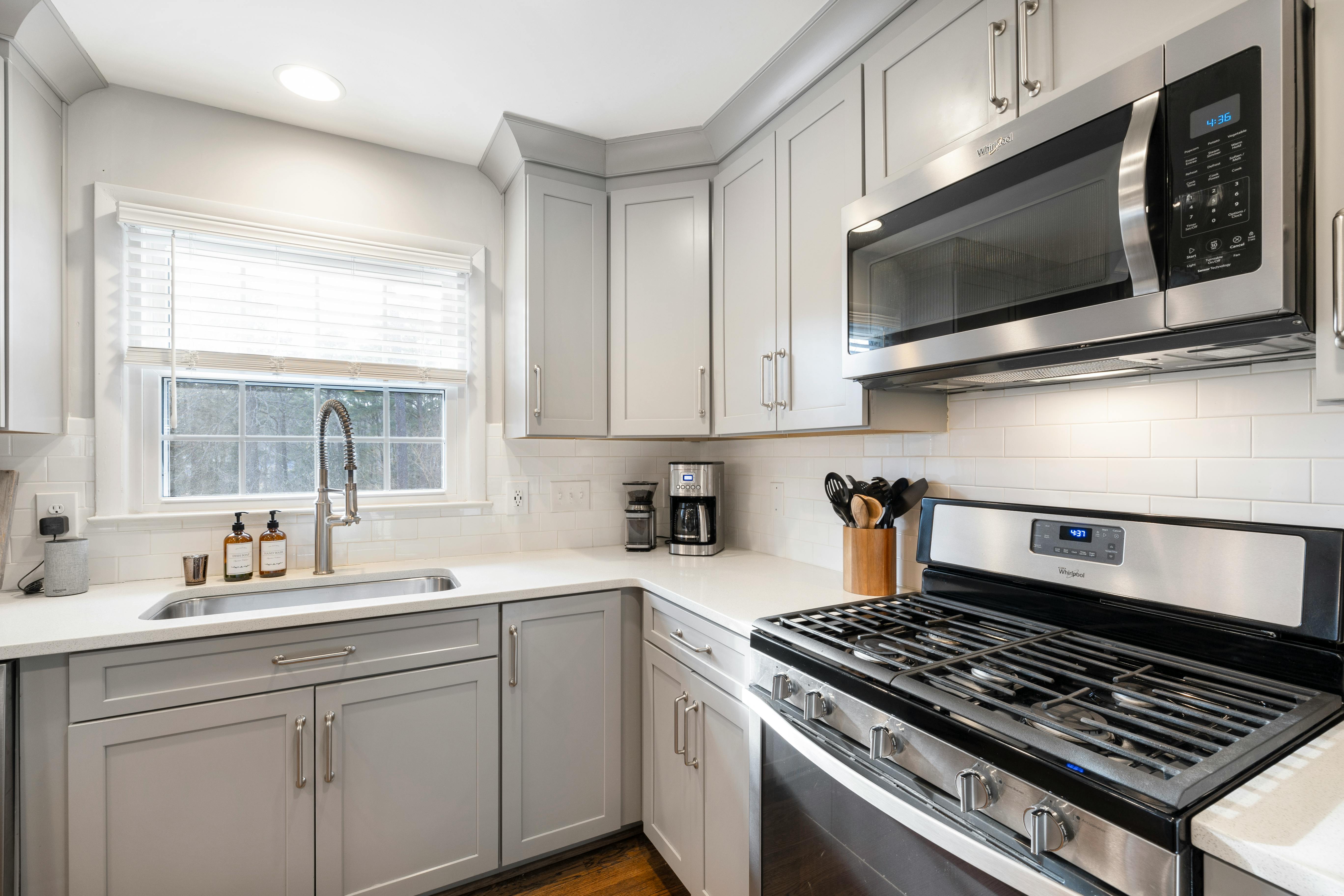
Transforming a kitchen from a functional space into a culinary haven requires more than just a fresh coat of paint. A well-planned renovation blends aesthetics, ergonomics, and cutting-edge technology to create an environment that inspires cooking, entertains guests, and adds lasting value to a home. By focusing on layout efficiency, material durability, and modern design trends, homeowners can achieve a kitchen that meets today’s lifestyle demands while remaining timeless.
Assessing Needs and Setting Goals
Before any demolition begins, it is essential to define clear objectives. Whether the aim is to increase storage, improve workflow, or integrate smart appliances, a structured plan guides every subsequent decision.
Key Questions to Consider
- What cooking activities dominate the daily routine?
- Which areas feel cramped or underutilized?
- Are there specific design styles that resonate with personal taste?
- How will the budget be allocated across cabinetry, appliances, and finishes?
Answering these questions helps prioritize upgrades and prevents costly revisions later in the process. For a comprehensive approach to goal setting, Discover expert strategies here.
Optimizing Layout for Efficiency
The classic work triangle, connecting the sink, stove, and refrigerator, remains a cornerstone of functional kitchen design. Modern adaptations, however, consider additional zones such as prep islands, coffee stations, and built-in recycling units.
Popular Layout Configurations
- Galley: Ideal for narrow spaces, offering parallel countertops and efficient traffic flow.
- L-Shaped: Maximizes corner usage and provides ample countertop space.
- U-Shaped: Offers extensive storage and a natural workflow loop.
- Island: Adds a central hub for cooking, dining, and social interaction.
When selecting a layout, consider the room’s dimensions and the placement of existing utilities. Detailed guidance on layout selection can be found at Learn about our tailored solutions.
Choosing Materials That Last
Durability and maintenance are paramount in high-traffic kitchens. Selecting the right materials for countertops, flooring, and cabinetry ensures the space remains pristine for years.
Countertop Options
- Quartz: Non-porous, low-maintenance, and available in a wide range of colors.
- Granite: Natural stone with unique veining; requires periodic sealing.
- Solid Surface: Seamless appearance and easy to repair.
- Butcher Block: Warm aesthetic; benefits from regular oiling.
Flooring Selections
- Porcelain or ceramic tile – water-resistant and easy to clean.
- Engineered hardwood – offers warmth while tolerating moisture.
- Luxury vinyl plank – budget-friendly with realistic wood look.
For an in-depth comparison of material performance, Explore advanced guides and tips.
Integrating Smart Technology
Today’s kitchens increasingly feature connected appliances that enhance convenience and energy efficiency. From voice-controlled lighting to Wi-Fi enabled ovens, technology can streamline cooking and reduce waste.
Smart Features to Consider
- Touchless faucets that conserve water.
- Programmable induction cooktops with safety sensors.
- Refrigerators with interior cameras and inventory tracking.
- LED lighting systems adjustable via mobile apps.
Understanding how these innovations fit within a renovation budget is crucial. Detailed insights are available at Find out more about this approach.
Budgeting and Project Management
Effective budgeting balances aspirational design with realistic cost constraints. Breaking the project into phases, design, demolition, installation, and finishing, allows for better financial control and reduces the risk of overruns.
Cost-Saving Strategies
- Reuse existing plumbing and electrical routes when possible.
- Select prefabricated cabinet fronts rather than custom builds.
- Schedule work during off-peak seasons for potential contractor discounts.
- Prioritize high-impact upgrades (e.g., lighting, hardware) that refresh the look without major structural changes.
Professional guidance on budgeting can streamline decision-making. For a step-by-step financial roadmap, Discover expert strategies here.
Final Touches: Aesthetic Cohesion
The visual harmony of a kitchen hinges on cohesive color palettes, hardware selections, and decorative accents. Subtle details such as brushed nickel handles, matte black fixtures, or open shelving can elevate the overall design.
- Choose a consistent color scheme for cabinets, walls, and backsplashes.
- Incorporate natural textures, stone, wood, metal, to add depth.
- Use under-cabinet lighting to highlight work surfaces and create ambiance.
For inspiration on achieving a polished finish, Explore advanced guides and tips.
Conclusion
A kitchen renovation that thoughtfully blends functional layout, resilient materials, modern technology, and aesthetic finesse can dramatically improve daily living and increase property value. By defining clear goals, selecting appropriate designs, and managing resources wisely, homeowners can create a cooking area that serves both practical needs and personal style. For additional expertise and detailed resources throughout each stage of the renovation journey, visiting trusted industry references such as Learn about our tailored solutions. provides valuable support and inspiration.

