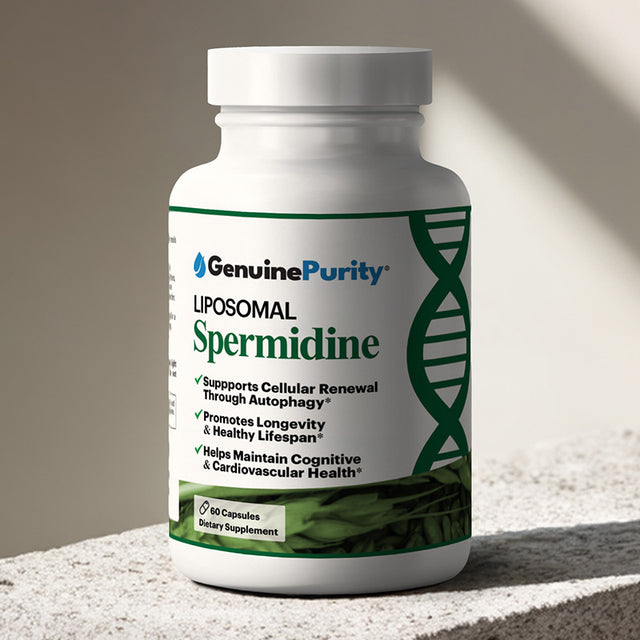
In recent years, the convergence of nutrition science and longevity research has highlighted spermidine, a naturally occurring polyamine found in many foods, as a promising compound for cellular health. Among the many delivery formats, wheat germ spermidine supplements have attracted attention for their dual benefit: providing both the nutritional profile of wheat germ and a concentrated dose of spermidine, often standardized at 1″?mg per serving. Understanding how this combination works, its potential advantages, and practical considerations can help health-conscious individuals make informed decisions about incorporating it into their daily regimen.
What Is Spermidine and Why Does It Matter?
Spermidine is a small, positively charged molecule that plays a pivotal role in cellular processes such as autophagy, DNA stabilization, and protein synthesis. Autophagy, the body’s internal recycling system, helps clear damaged proteins and organelles, which is linked to improved metabolic health and longevity.
- Cellular renewal: Enhances autophagic pathways, supporting tissue repair.
- Cardiovascular support: Research suggests a correlation between higher dietary spermidine intake and reduced blood pressure.
- Neuroprotective effects: May help preserve cognitive function by reducing oxidative stress.
Wheat Germ as a Natural Carrier
Wheat germ, the nutrient-dense embryo of the wheat kernel, is rich in vitamins (E, B-complex), minerals (zinc, magnesium), essential fatty acids, and antioxidants. When used as a base for spermidine supplementation, it offers several synergistic benefits:
- Provides a balanced macro- and micronutrient profile that supports overall health.
- Improves the bioavailability of spermidine through its lipid content.
- Delivers a familiar, food-based matrix that many users find easier to incorporate into meals.
Understanding the 1″?mg Spermidine Dose
Clinical studies frequently employ doses ranging from 0.5″?mg to 2″?mg per day to observe measurable effects on autophagy and age-related biomarkers. A 1″?mg dose is considered a moderate, evidence-backed amount that balances efficacy with safety for most adults.
Key considerations for a 1″?mg daily intake
- Consistency: Daily use is essential to maintain elevated spermidine levels in the bloodstream.
- Timing: Taking the supplement with a meal containing healthy fats can further enhance absorption.
- Population suitability: Generally safe for adults without severe wheat allergies; individuals with celiac disease should verify gluten-free status.
Potential Health Benefits of Wheat Germ Spermidine 1″?mg
While research is ongoing, several areas show promising outcomes when spermidine is consumed regularly.
- Longevity markers: Elevated spermidine levels have been associated with increased lifespan in animal models and favorable biomarkers in human trials.
- Metabolic health: Improvements in insulin sensitivity and lipid profiles have been reported.
- Skin health: Autophagy activation may promote healthier skin turnover, reducing signs of aging.
- Immune modulation: Supports the function of immune cells, potentially enhancing response to infections.
Choosing a Quality Supplement
When evaluating wheat germ spermidine products, several quality criteria should guide the selection process.
Manufacturing standards
- Third-party testing for purity and potency.
- GMP-certified facilities to ensure consistent production.
Ingredient transparency
- Clear labeling of wheat germ source and spermidine concentration.
- Absence of unnecessary fillers, artificial colors, or allergens.
For a supplement that meets these standards, Discover expert strategies here provides a formulation that combines high-quality wheat germ with a precisely measured 1″?mg spermidine dose.
How to Incorporate Wheat Germ Spermidine into Your Routine
Integrating the supplement into daily life can be simple and adaptable to various lifestyles.
- Morning boost: Mix the recommended serving into a smoothie or oatmeal.
- Pre-workout: Combine with a protein shake for sustained energy and cellular support.
- Evening routine: Add to a light snack such as yogurt to aid overnight cellular repair.
For practical tips on timing and dosage, Learn about our tailored solutions offers guidance aligned with current research.
Safety, Side Effects, and Contraindications
Spermidine derived from wheat germ is generally well-tolerated. Reported side effects are mild and infrequent.
- Digestive discomfort (rare, often mitigated by taking with food).
- Allergic reactions in individuals sensitive to wheat proteins.
Individuals on anticoagulant therapy or with specific medical conditions should consult a healthcare professional before starting supplementation.
Frequently Asked Questions
Is wheat germ spermidine suitable for vegans?
Wheat germ is plant-based, making the supplement vegan-friendly, provided no animal-derived additives are included.
Can the supplement replace a balanced diet?
No. While beneficial, it should complement, not replace, whole-food nutrition and a healthy lifestyle.
How long before benefits become noticeable?
Clinical observations suggest measurable changes in biomarkers after 4-8 weeks of consistent use, though individual experiences vary.
Final Thoughts
Wheat germ spermidine supplements delivering a standardized 1″?mg dose represent a scientifically grounded option for those seeking to support autophagy, metabolic health, and overall cellular resilience. By selecting a product that adheres to rigorous quality standards and integrating it thoughtfully into daily nutrition, individuals can harness the potential of spermidine without compromising dietary balance.
For a deeper dive into formulation details, dosage strategies, and the latest research findings, Explore advanced guides and tips. Additional resources and evidence-based recommendations are also available to help you Find out more about this approach.