Basement water intrusion is a common challenge for many homeowners in Milwaukee, where fluctuating temperatures and high groundwater levels can turn a dry, usable space into a damp, unusable one. Understanding the underlying causes, recognizing early warning signs, and implementing effective waterproofing strategies are essential steps toward protecting a home’s foundation and preserving indoor air quality. This article outlines the most reliable Milwaukee basement waterproofing solutions, offering practical guidance for anyone dealing with a leaky basement.
Identifying the Sources of Moisture
Before selecting a waterproofing method, it is crucial to pinpoint where water is entering the basement. Common entry points include:
- Cracks in foundation walls or floors
- Improperly sealed windows and doors
- Faulty or clogged exterior drainage systems
- Hydrostatic pressure caused by saturated soil surrounding the foundation
- Condensation from high indoor humidity levels
Conducting a thorough inspection, checking for damp spots, efflorescence, and musty odors, helps determine the most appropriate remediation approach. Read more about this topic.
Exterior Waterproofing Techniques
Exterior solutions address water before it reaches the foundation, making them highly effective for long-term protection.
1. French Drain Installation
A French drain consists of perforated piping placed in a trench filled with gravel, directing water away from the foundation. Proper slope and connection to a daylight outlet or sump pump are essential for optimal performance.
2. Exterior Sealants and Membranes
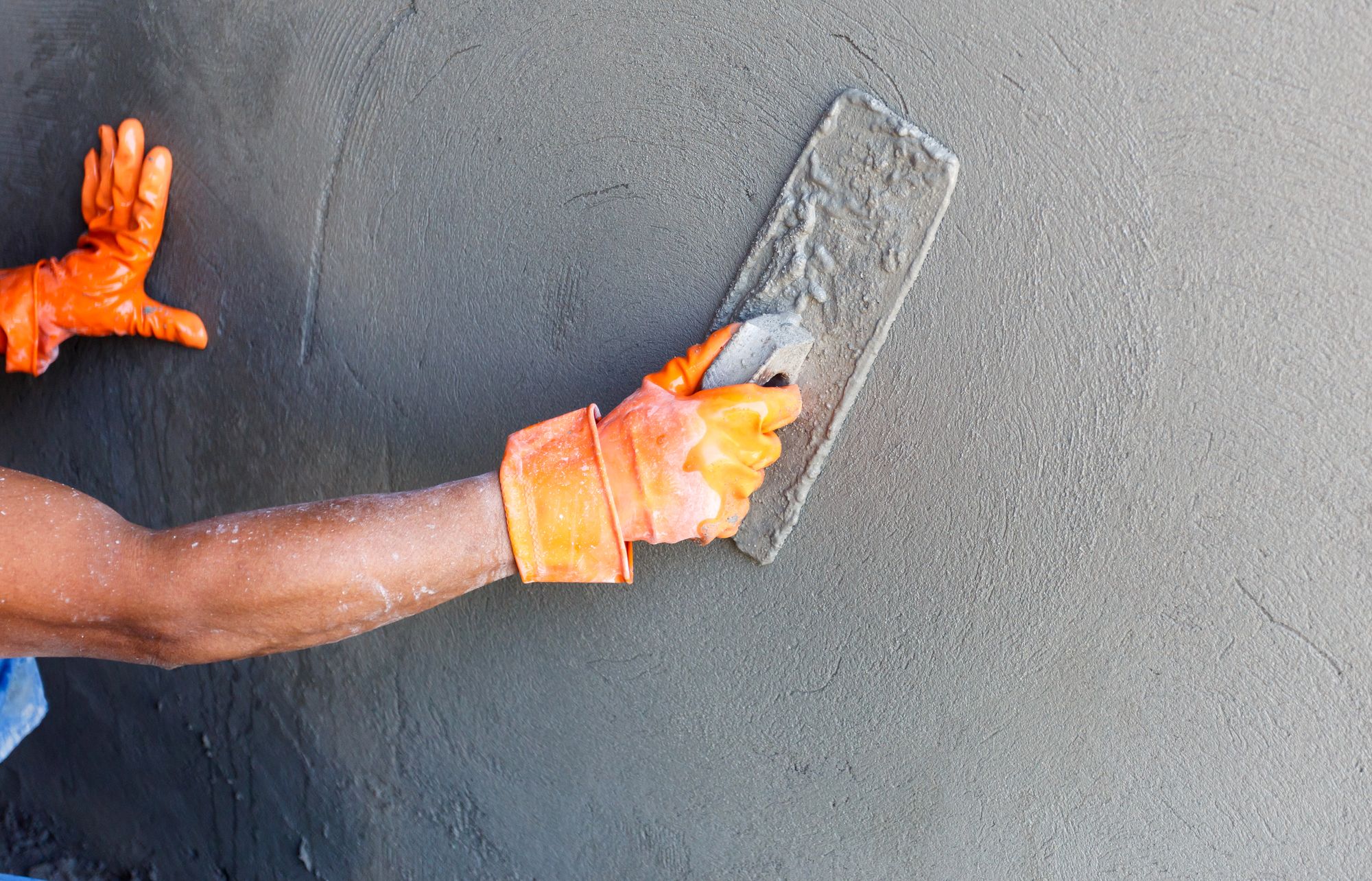
Applying a waterproof coating or membrane to the exterior wall surface creates a barrier that resists moisture penetration. These products are typically applied after excavation and repair of any structural cracks.
3. Grading and Landscape Adjustments
Ensuring the ground slopes away from the house by at least 6 inches within the first 10 feet prevents surface water from pooling near the foundation.
- Maintain clean gutters and downspouts
- Use splash blocks or extensions to direct roof runoff
- Consider installing a rain garden to absorb excess water
Interior Waterproofing Options
When exterior work is impractical, such as in finished basements, interior methods can provide effective relief.
1. Interior Drainage Systems
Also known as “cavity wall drainage,” this system involves installing a perimeter trench inside the basement, filled with perforated pipe and gravel. Water that seeps through the walls is collected and routed to a sump pump.
2. Sump Pump Installation
A sump pump sits in a pit at the lowest point of the interior drainage system, automatically expelling water to an exterior discharge location. Regular maintenance, including testing and cleaning, ensures reliable operation.
3. Sealants and Coatings
Specialized interior sealants can be applied directly to walls and floors to reduce moisture transmission. While not a substitute for proper drainage, they can complement other measures.
Additional Preventative Measures
Beyond structural solutions, maintaining a dry basement requires ongoing attention to humidity and ventilation.
- Use a dehumidifier to keep relative humidity below 60%
- Install proper ventilation fans in bathrooms and laundry areas
- Repair any plumbing leaks promptly
- Seal cracks in interior walls with hydraulic cement before applying waterproofing products
Implementing these habits helps prevent moisture buildup that can compromise even the best waterproofing systems. Explore further insights here.
Choosing the Right Approach for Your Home
Deciding between exterior and interior solutions depends on several factors:
- Extent of water intrusion: Persistent flooding often requires exterior drainage.
- Basement usage: Finished spaces benefit from interior systems that preserve interior finishes.
- Budget and accessibility: Exterior work may involve excavation costs, while interior methods can be less invasive.
- Local soil conditions: High water tables and clay soils increase hydrostatic pressure, favoring comprehensive exterior measures.
Consulting with a qualified waterproofing professional can help evaluate these variables and develop a tailored plan.
Maintenance and Long-Term Care
Even the most robust waterproofing system requires periodic inspection and upkeep:
- Check sump pump operation at least twice a year
- Inspect exterior drainage pipes for clogs after heavy storms
- Reapply sealants as recommended by product manufacturers
- Monitor interior humidity levels and address any new cracks promptly
Consistent maintenance extends the lifespan of waterproofing measures and safeguards the home’s structural integrity. Learn more in this detailed guide.
Conclusion
Addressing a leaky basement in Milwaukee involves a combination of accurate diagnosis, strategic waterproofing, and diligent maintenance. By understanding the sources of moisture, selecting appropriate exterior or interior solutions, and adopting preventive habits, homeowners can protect their foundations, improve indoor air quality, and preserve the value of their property. Implementing these best practices ensures a dry, functional basement for years to come.