Cord blood and cord tissue are two distinct components of the umbilical cord, each with its own unique properties and applications in regenerative medicine. While they share a common origin, they have different uses, advantages, and potential benefits for patients. In this article, we will delve into the differences between cord blood and cord tissue, exploring their characteristics, uses, and the latest research in this field.
What is Cord Blood?
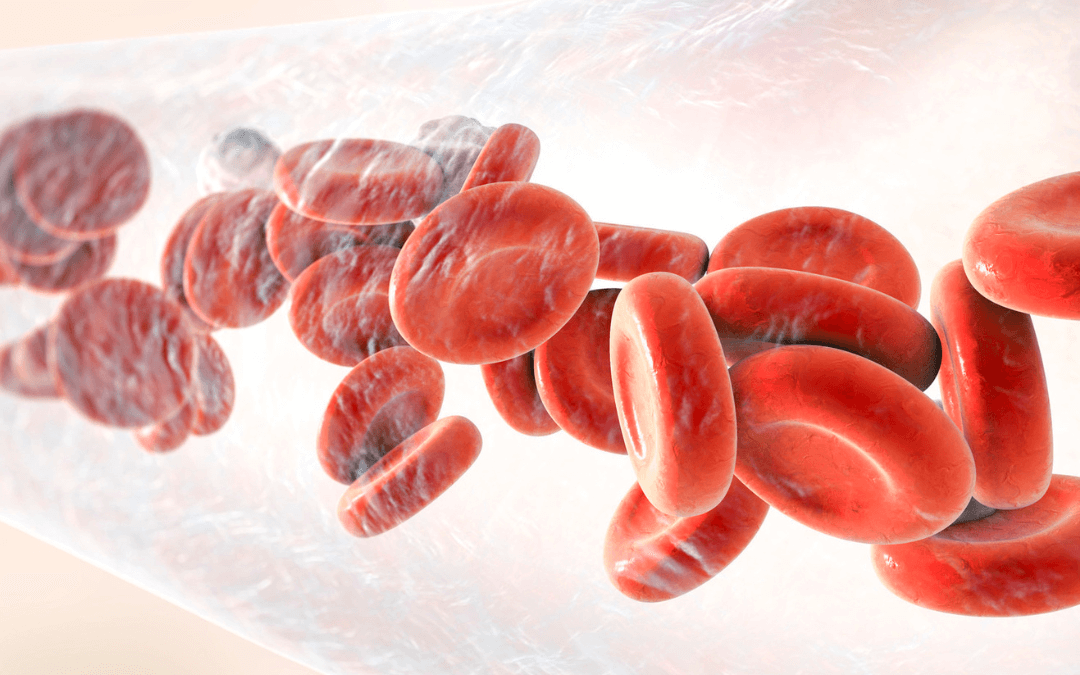
Cord blood is the blood that remains in the umbilical cord and placenta after childbirth. It is rich in hematopoietic stem cells, which have the ability to differentiate into various types of blood cells. Cord blood has been used for decades as a source of stem cells for transplantation, primarily for treating blood-related disorders such as leukemia, lymphoma, and sickle cell anemia. The expert strategies employed in cord blood banking and transplantation have made it a valuable tool in the fight against these diseases.
- Cord blood is a rich source of hematopoietic stem cells, which can differentiate into various types of blood cells.
- It has been used for decades as a source of stem cells for transplantation.
- Cord blood has the potential to treat a range of blood-related disorders.
What is Cord Tissue?
Cord tissue, also known as perinatal mesenchymal stem cells, is the tissue that surrounds the blood vessels in the umbilical cord. It is a rich source of mesenchymal stem cells, which have the ability to differentiate into various types of cells, including bone, cartilage, and fat cells. Cord tissue has been shown to have potential therapeutic applications in treating a range of conditions, including orthopedic and autoimmune diseases.
- Cord tissue is a rich source of mesenchymal stem cells, which can differentiate into various types of cells.
- It has potential therapeutic applications in treating orthopedic and autoimmune diseases.
- Cord tissue is being explored as a treatment option for a range of conditions.
Differences Between Cord Blood and Cord Tissue
While both cord blood and cord tissue have potential therapeutic applications, they have distinct differences in terms of their characteristics, uses, and potential benefits. Cord blood is primarily used for transplantation, whereas cord tissue is being explored for its potential in treating a range of conditions. The advanced guides and tips available on cord tissue banking and transplantation highlight the importance of understanding the differences between these two components.
- Cord blood is primarily used for transplantation, whereas cord tissue is being explored for its potential in treating a range of conditions.
- Cord blood and cord tissue have different characteristics and uses.
- The potential benefits of cord blood and cord tissue differ.
Conclusion
In conclusion, cord blood and cord tissue are two distinct components of the umbilical cord, each with its own unique properties and applications in regenerative medicine. While they share a common origin, they have different uses, advantages, and potential benefits for patients. By understanding the differences between cord blood and cord tissue, healthcare professionals and patients can make informed decisions about the use of these components in regenerative medicine.
For more information on cord blood and cord tissue, including expert strategies and advanced guides and tips, visit the latest resources available online.


