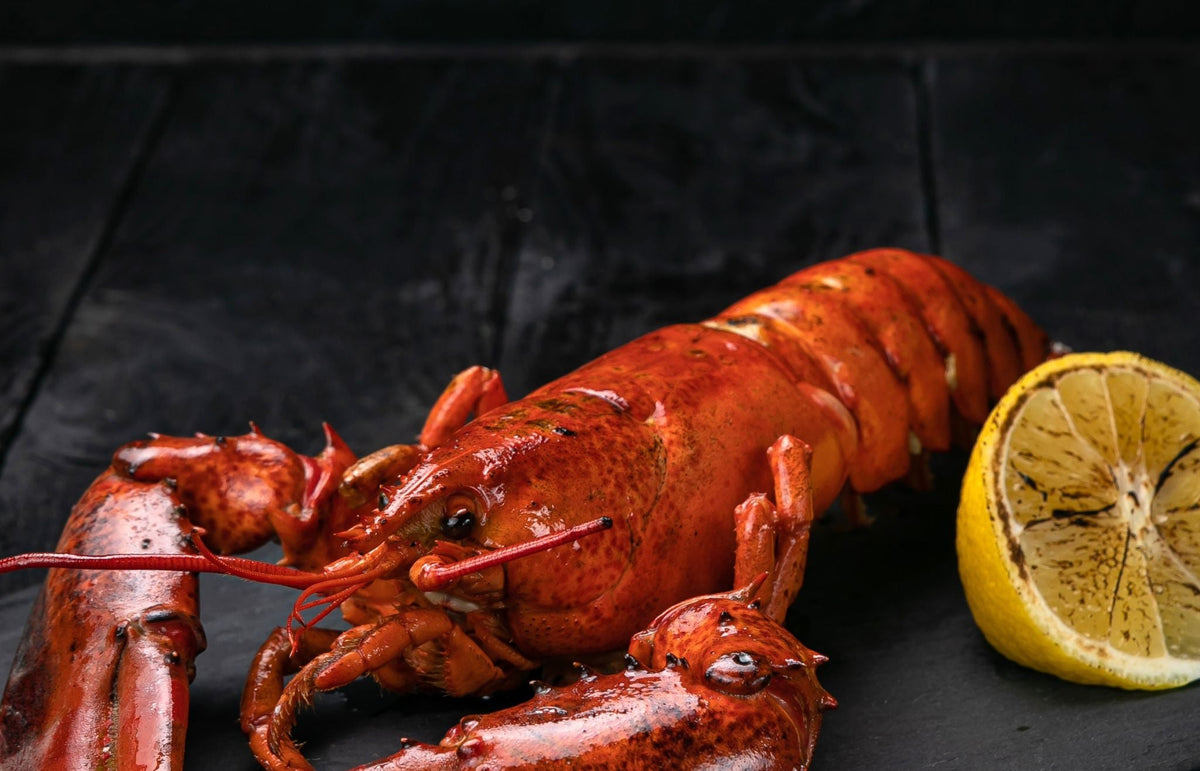
When it comes to indulging in seafood, few things are as luxurious and satisfying as fresh lobster tails. Whether you’re preparing a special meal or simply satisfying a craving, selecting the best lobster tails is crucial to ensuring a delightful dining experience. This guide aims to provide comprehensive insights into the nuances of buying and cooking lobster tails, ensuring that every culinary endeavor results in a delectable feast.
Understanding Different Types of Lobster Tails
Lobster tails come from various species, each offering unique textures and flavors. Knowing the differences can help you make an informed purchase:
- Maine Lobster Tails: Known for their tender texture and sweet flavor, Maine lobster tails are a popular choice among seafood enthusiasts. Discover expert strategies here.
- Rock Lobster Tails: These are often larger and have a firmer texture compared to their Maine counterparts. They hail from warmer waters and have a more distinctive taste.
- Warm Water Lobster Tails: Generally less sweet and slightly chewier, these are sourced from regions such as the Caribbean and the Pacific.
Key Considerations When Buying Lobster Tails
Freshness and Quality
Freshness is paramount when selecting lobster tails. Here are some tips to ensure you get the best quality:
- Look for tails that are firm to the touch and exhibit a consistent color.
- Avoid tails with any discoloration or an ammonia-like odor.
- Consider purchasing tails that are flash-frozen shortly after harvest to retain their quality.
Explore advanced guides and tips to ensure your lobster tails remain fresh and flavorful.
Size and Weight
The size and weight of lobster tails can significantly impact their flavor and how they cook. When selecting lobster tails, consider the following:
- Smaller tails (4-5 oz) are ideal for individual servings and tend to be more tender.
- Larger tails (6-8 oz or more) are perfect for sharing and boast a meatier texture.
Find out more about this approach to choosing the perfect lobster tail size for your culinary needs.
Cooking Tips for Lobster Tails
Preparing lobster tails to perfection involves more than simply boiling or grilling. Consider these cooking strategies:
- Grilling: Brush with a mixture of butter, lemon juice, and herbs, then grill for a smoky, rich flavor.
- Baking: Bake lobster tails with garlic butter for a classic, succulent dish.
- Steaming: Steaming locks in moisture and enhances the natural sweetness of the meat.
Learn about our tailored solutions for an optimal cooking experience.
Conclusion
Choosing the right lobster tails can elevate your dining experience, providing a rich, flavorful meal that delights the senses. By understanding the different types of lobster tails, focusing on freshness and quality, and employing effective cooking techniques, you can enjoy a truly gourmet seafood experience. Whether savoring the renowned Maine lobster tails or exploring other varieties, the key is in the details. For further guidance, explore advanced guides and tips to make informed choices and create memorable meals.