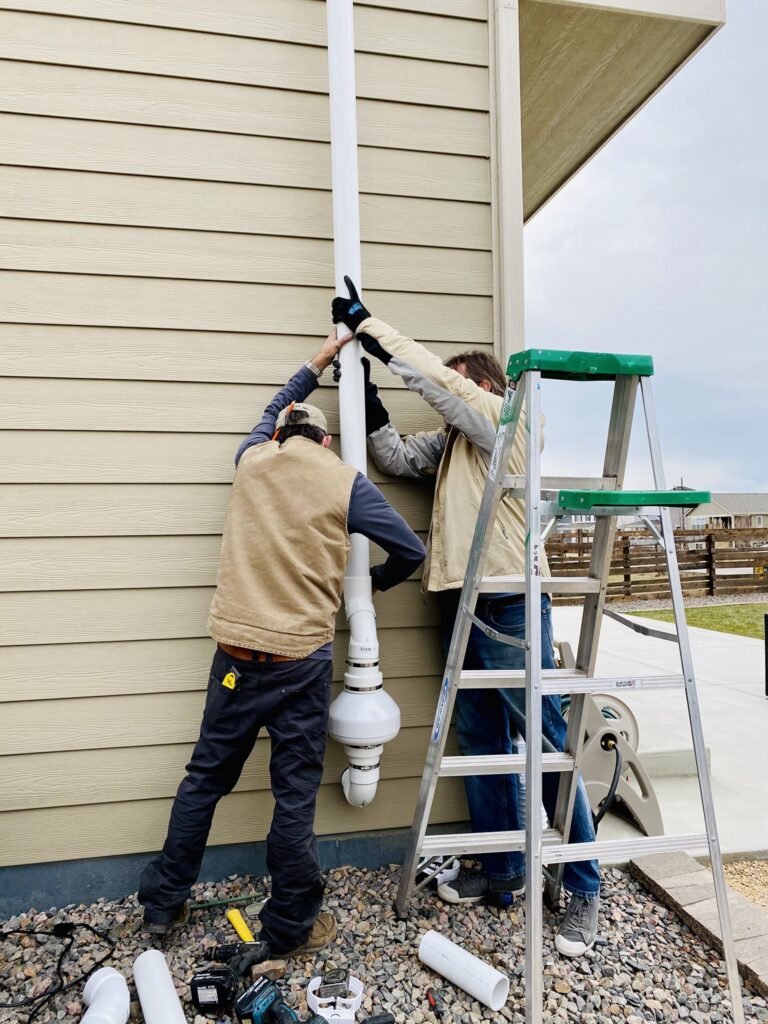
Reducing radon levels in your Denver home is a crucial step in maintaining a healthy living environment. Radon is a naturally occurring gas that can accumulate in homes, especially those built on soil with high radon concentrations. According to the Environmental Protection Agency (EPA), radon is the second leading cause of lung cancer in the United States, and Colorado is one of the states with the highest radon levels. Fortunately, with the right knowledge and tools, you can effectively reduce radon levels in your home and create a safer living space for you and your family.
Understanding Radon and Its Effects
Radon is a colorless, odorless gas that seeps into homes through soil and water. It can accumulate in buildings, especially those with poor ventilation systems. When inhaled, radon can damage lung tissue and increase the risk of lung cancer. The EPA recommends that all homes be tested for radon levels, regardless of their age or construction type.
Why Denver Homes Are Prone to Radon
Denver’s geology makes it prone to radon accumulation. The city’s soil composition, with high levels of uranium and thorium, contributes to the presence of radon. Additionally, Denver’s low humidity and high altitude can exacerbate radon accumulation. It’s essential to understand these factors and take proactive steps to mitigate radon levels in your home.
Effective Strategies for Reducing Radon Levels
Discover expert strategies here to effectively reduce radon levels in your Denver home. The most effective approach involves a combination of sealing entry points, improving ventilation, and installing a radon mitigation system. Sealing cracks and crevices in walls and floors can prevent radon from entering your home. Improving ventilation by installing fans and increasing air exchange rates can also help reduce radon levels.
Sealing Entry Points and Improving Ventilation
Sealing entry points is a crucial step in reducing radon levels. Caulk and sealant can be used to fill gaps and cracks in walls and floors. Additionally, installing fans and increasing air exchange rates can help remove radon from the air. Learn about our tailored solutions for radon mitigation and find out more about this approach.
Advanced Guides and Tips for Radon Mitigation
Explore advanced guides and tips for radon mitigation on reputable websites, such as Discover expert strategies here. These resources provide in-depth information on radon testing, mitigation systems, and DIY solutions. By staying informed and taking proactive steps, you can effectively reduce radon levels in your Denver home and create a safer living environment.
DIY Solutions for Radon Mitigation
While professional radon mitigation systems are the most effective solution, there are DIY options available. These include installing radon-resistant materials, such as concrete and gravel, and using radon-absorbing products. Find out more about these DIY solutions and their effectiveness in reducing radon levels.
Conclusion
Reducing radon levels in your Denver home requires a combination of knowledge, tools, and proactive steps. By understanding the factors that contribute to radon accumulation, sealing entry points, improving ventilation, and installing a radon mitigation system, you can effectively reduce radon levels and create a safer living environment. Explore advanced guides and tips for radon mitigation and discover expert strategies here to create a healthier home.


