Finding reliable replacement windows installers nearby can feel overwhelming, especially when balancing cost, quality, and energy efficiency. Homeowners who prioritize long-term performance need clear guidance on what to look for, how to evaluate contractors, and which features will deliver the best return on investment. This article walks through the essential steps for selecting a qualified installer, outlines key considerations for window selection, and provides actionable tips to ensure a smooth installation process.
Why Choosing the Right Installer Matters
Even the highest-quality windows can underperform if they are not installed correctly. A professional installer brings:
- Expert knowledge of local building codes and energy standards.
- Precision measuring and custom fitting to avoid gaps and drafts.
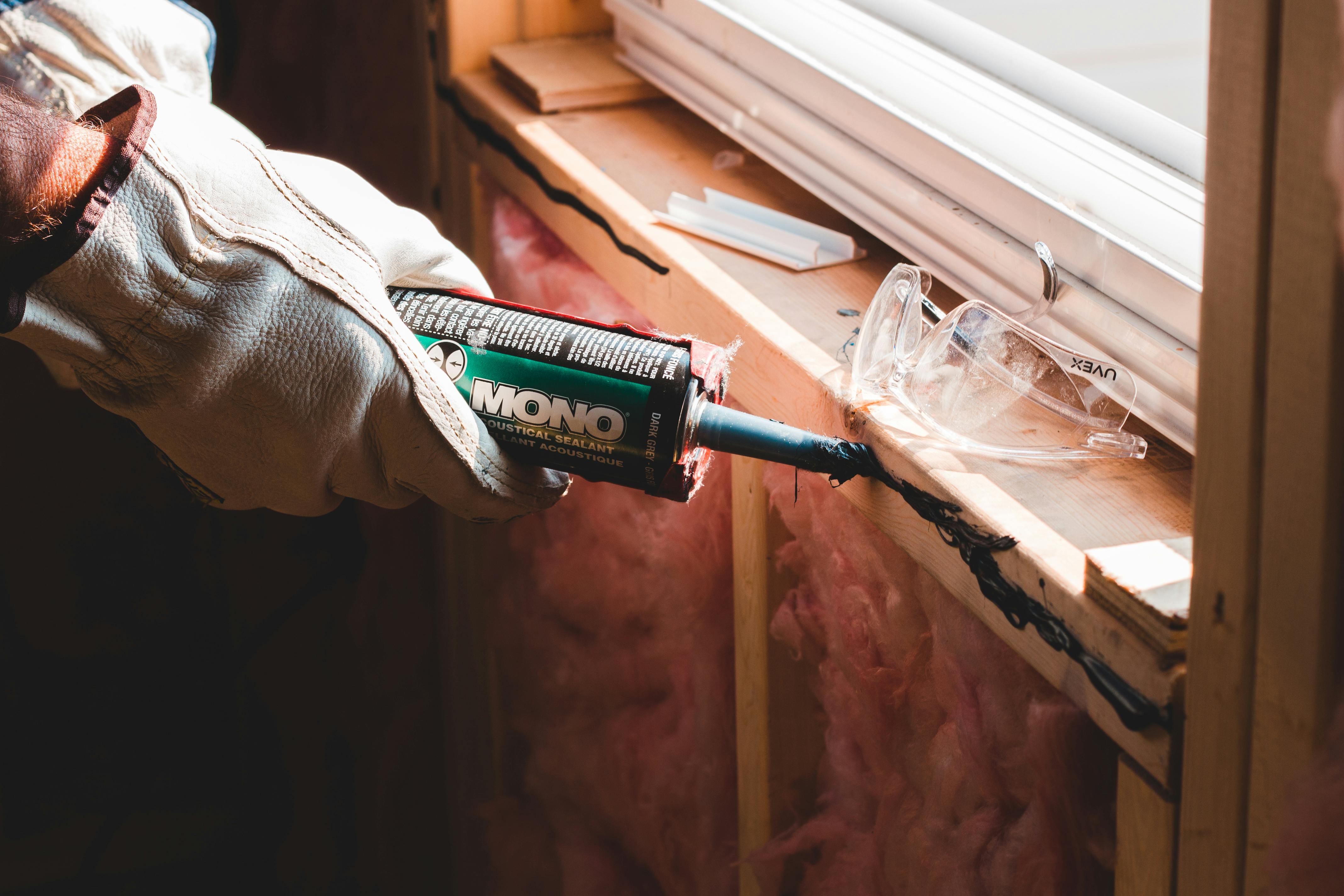
- Proper sealing and flashing techniques that protect against moisture intrusion.
- Warranty support that holds up under real-world conditions.
When searching for “replacement windows installers near me,” it’s essential to verify that the contractor has a proven track record in your specific region. Local experience often translates into familiarity with climate challenges, permitting processes, and trusted suppliers.
Key Criteria for Evaluating Installers
Licensing and Insurance
Always confirm that the installer holds the appropriate state and local licenses. Insurance coverage protects both parties in case of accidental damage or injuries during the project.
Reputation and References
Look for customer reviews on reputable platforms and ask for recent project references. Speaking directly with past clients can reveal insights about punctuality, communication, and post-installation support.
Product Knowledge
A knowledgeable installer should be able to discuss:
- U-value and Solar Heat Gain Coefficient (SHGC) ratings.
- Different frame materials, vinyl, wood, fiberglass, and aluminum.
- Options for low-E coatings, argon gas fills, and impact resistance.
For a deeper dive into selecting the right solutions, Discover expert strategies here.
Understanding Window Types and Features
Choosing the appropriate window style is as important as selecting a qualified installer. Common options include:
- Double-hung windows: Classic look, easy cleaning, and good ventilation.
- Casement windows: Excellent for tight spaces, with a tight seal when closed.
- Sliding windows: Space-saving design, ideal for wide openings.
- Picture windows: Large glass area for unobstructed views, often paired with fixed side panels.
Energy-efficient features such as low-emissivity (low-E) glass and insulated frames can reduce heating and cooling costs by up to 30 %. When evaluating products, consider the climate of your area and the orientation of each window.
Steps to a Successful Installation
- Initial Consultation: A reputable installer will perform an on-site assessment, measuring each opening and discussing design preferences.
- Quote Review: Detailed estimates should break down material costs, labor, disposal fees, and any optional upgrades.
- Scheduling: Confirm timelines, including any required permits and delivery windows.
- Preparation: Homeowners should clear the work area, protect flooring, and arrange for pets or children to stay clear of the site.
- Installation: Professional crews remove old units, repair any damaged framing, and install the new windows using industry-standard flashing techniques.
- Final Inspection: Verify that all windows operate smoothly, sealant lines are clean, and the work area is left tidy.
For a comprehensive guide on best practices, Explore advanced guides and tips.
Cost Considerations and Financing Options
Window replacement costs vary based on size, material, and performance features. On average:
- Vinyl windows: $300-$600 per unit.
- Wood windows: $600-$1,200 per unit.
- Fiberglass windows: $800-$1,500 per unit.
Many installers partner with financing companies to offer low-interest or zero-interest plans. Additionally, federal and state energy-efficiency rebates can offset a portion of the expense. Always ask the installer about available incentives before finalizing the contract.
Maintaining Your New Windows
Proper upkeep extends the life of replacement windows. Recommended maintenance tasks include:
- Cleaning glass with a non-abrasive solution and a soft cloth.
- Inspecting seals and caulking annually for cracks.
- Lubricating hinges and tracks to ensure smooth operation.
- Checking for condensation between panes, which may indicate a failed seal.
Regular maintenance not only preserves aesthetics but also maintains energy performance, keeping utility bills low.
Local Resources and Next Steps
Homeowners in Westchester County and surrounding areas can benefit from installers who understand regional weather patterns and building regulations. By selecting a contractor with local expertise, you gain confidence that the installation will withstand seasonal fluctuations and meet code requirements.
Ready to move forward? Begin by compiling a shortlist of vetted installers, request detailed quotes, and compare the scope of work. For additional insight into tailored solutions for your neighborhood, Learn about our tailored solutions.
With careful planning, informed product choices, and a qualified installation team, replacing your windows becomes an investment that enhances comfort, curb appeal, and energy efficiency for years to come.


