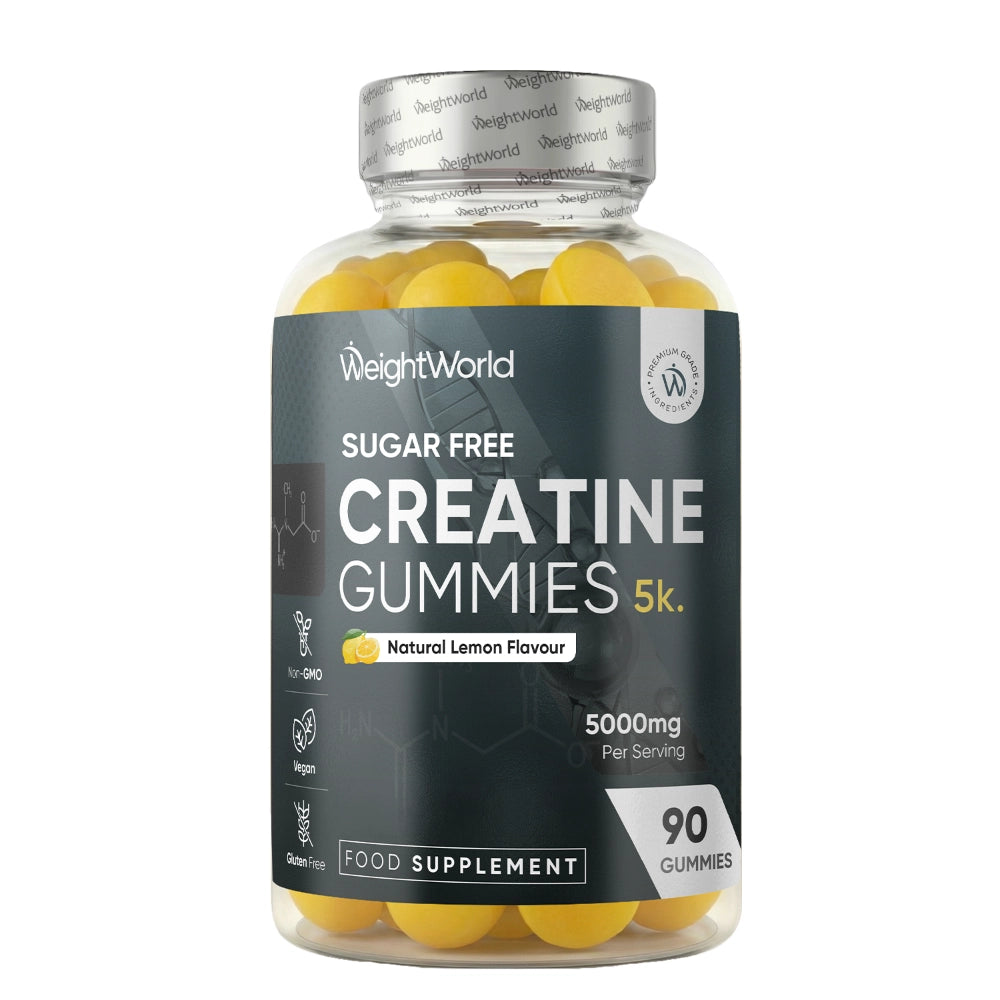
Creatine remains one of the most researched and effective ergogenic aids for athletes, bodybuilders, and anyone looking to improve muscular performance. The market is saturated with powders, capsules, and even flavored gummies, making it challenging to pinpoint the product that delivers consistent results without unnecessary additives. Understanding the science behind creatine, the different forms available, and the criteria for selecting a high-quality supplement can dramatically influence training outcomes. This guide breaks down the essential factors, compares popular options, and provides practical advice on how to locate reputable sources for creatine for sale in the United Kingdom.
How Creatine Works: A Brief Scientific Overview
Creatine is stored primarily in skeletal muscle as phosphocreatine, a high-energy compound that rapidly regenerates adenosine triphosphate (ATP) during short, intense bouts of activity. By increasing phosphocreatine stores, athletes experience:
- Improved strength and power output
- Enhanced sprint performance and repeated-effort capacity
- Faster recovery between training sets
- Potential gains in lean muscle mass over time
The most common and well-studied form is creatine monohydrate, which offers a favorable cost-to-benefit ratio and robust evidence of efficacy. Alternative forms, such as creatine HCl, buffered creatine, and creatine malate, claim better solubility or reduced bloating, but the scientific consensus still favors monohydrate for most users.
Key Criteria for Selecting a Quality Creatine Supplement
Purity and Manufacturing Standards
Look for products that disclose a creatine content of at least 99″?% pure creatine monohydrate, verified by third-party testing (e.g., Informed-Sport, NSF Certified for Sport). Certifications indicate that the supplement is free from prohibited substances and contaminants.
Formulation and Additives
While flavorings and sweeteners can improve palatability, they may also introduce unnecessary sugars or artificial ingredients. Ideal choices provide:
- Minimal filler (e.g., maltodextrin or rice flour) for a clean profile
- Optional natural flavor without excessive artificial sweeteners
- Transparent labeling of all ingredients and dosages
Dosage Convenience
Standard dosing protocols recommend 3-5″?g per day. Products that supply a pre-measured scoop or convenient gummy format can simplify adherence, especially for individuals with busy schedules.
Top Creatine Formats on the Market
Powdered Creatine Monohydrate
Powders remain the gold standard due to their high purity and cost-effectiveness. They mix well in water, juice, or protein shakes, and most brands offer bulk containers that reduce per-serving expense.
Creatine Gummies
For those who dislike mixing powders, creatine gummies provide a tasty, portable alternative. While the creatine content per gummy is lower, a typical serving of two to three gummies meets the daily recommendation. Ensure the gummy brand lists the exact creatine amount and avoids excessive sugar.
Micronized Creatine
Micronized variants feature smaller particle sizes, which can improve solubility and reduce the gritty texture some users experience. The underlying compound remains creatine monohydrate, preserving its proven benefits.
Where to Purchase Reliable Creatine Online
Finding a trustworthy retailer is as important as selecting the right product. Reputable online stores typically provide clear product descriptions, third-party test results, and responsive customer service. When searching for where to buy creatine, consider the following factors:
- Secure checkout and clear return policies
- Transparent shipping costs and delivery timelines within the UK
- Customer reviews that discuss taste, mixability, and any side effects
Specialized nutrition websites often run seasonal promotions, making it easier to buy creatine at a competitive price without compromising quality.
Practical Tips for Maximizing Creatine Benefits
- Loading Phase (optional): Consume 20″?g per day split into 4 doses for 5-7 days, then transition to a maintenance dose of 3-5″?g daily.
- Timing: Take creatine with a carbohydrate-rich meal or post-workout shake to enhance uptake via insulin-mediated transport.
- Hydration: Increase water intake to support intracellular water retention and reduce the risk of cramping.
- Cycle Management: Continuous use is safe for most adults, but a short break (2-4 weeks) after 8-12 weeks can be beneficial for psychological variety.
- Stacking: Creatine pairs well with protein powders, branched-chain amino acids (BCAAs), and beta-alanine for comprehensive performance support.
Common Myths Debunked
Myth 1: Creatine causes kidney damage. Numerous longitudinal studies have shown that creatine supplementation does not impair renal function in healthy individuals when taken at recommended doses.
Myth 2: Only bodybuilders need creatine. Endurance athletes, sprinters, and even older adults can benefit from the increased phosphocreatine stores, which support muscle endurance and functional strength.
Myth 3: All creatine supplements are the same. While the active ingredient is consistent, variations in purity, additives, and delivery format can affect user experience and compliance.
Conclusion: Making an Informed Choice
Choosing the best creatine for sale online hinges on understanding the product’s purity, formulation, and the credibility of the retailer. By focusing on scientifically backed options, preferably high-purity creatine monohydrate, athletes can reliably enhance strength, power, and recovery. Whether opting for a classic powder, a convenient gummy, or a micronized blend, the key is to integrate the supplement into a balanced nutrition plan and consistent training regimen.
For those ready to take the next step, a quick search for creatine buy or creatine supplement uk will reveal a curated selection of vetted products, allowing informed decisions without the guesswork of unverified sources.