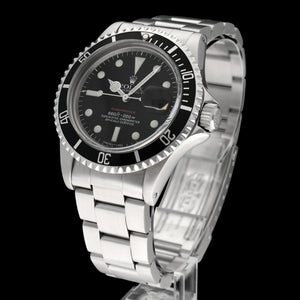
Luxury timepieces have long transcended their primary function of telling time. For the modern gentleman, a high-end watch represents a convergence of artistry, engineering, and personal expression. Owning such a piece offers more than aesthetic appeal; it signals an appreciation for heritage, precision, and enduring value. This article explores the reasons why a luxury watch should be considered an essential addition to any man’s collection, covering aspects from craftsmanship to investment potential while providing practical guidance for prospective owners.
Historical Significance and Heritage
The evolution of mechanical watches mirrors broader technological and cultural shifts. From pocket chronometers of the 18th century to the wrist-mounted marvels of the early 20th century, each era contributed innovations that shaped today’s luxury models. Understanding this lineage adds depth to the ownership experience, turning a simple accessory into a tangible link to centuries of horological advancement. For readers interested in the broader context, Read more about this topic.
Unparalleled Craftsmanship
Luxury watches are distinguished by meticulous hand-finishing, intricate movement design, and the use of premium materials. The following elements illustrate why craftsmanship matters:
- Movement Complexity: Multi-axis tourbillons, perpetual calendars, and minute repeaters showcase engineering mastery.
- Materials: Sapphire crystal, high-grade stainless steel, titanium, and precious metals ensure durability and visual appeal.
- Finishing Techniques: Hand-polished bridges, C-finishing, and engraving reflect the artisan’s dedication.
These qualities not only enhance performance but also create a tactile connection between wearer and maker. To delve deeper into the nuances of watchmaking, Learn more in this detailed guide.
Investment Potential and Longevity
While personal enjoyment is paramount, luxury watches often retain or appreciate in value over time. Several factors influence this financial aspect:
- Limited Production: Scarcity drives demand and can elevate resale prices.
- Condition & Provenance: Original boxes, papers, and service records bolster market confidence.
- Historical Milestones: Models linked to significant events or anniversaries command premium valuations.
Potential collectors should approach purchases with the same diligence applied to traditional assets. For a broader perspective on watch investment, Explore further insights here.
Style, Versatility, and Personal Identity
A well-chosen luxury watch complements a wide range of attire, from formal tuxedos to casual business-casual ensembles. Its versatility stems from design elements that balance classic aesthetics with contemporary flair. Consider the following styling guidelines:
- Dial Color: Neutral tones (black, silver, navy) pair easily with most wardrobes.
- Case Size: A 38-42″?mm diameter typically suits a broad spectrum of wrist sizes while maintaining proportion.
- Strap Options: Swappable leather, metal, or rubber straps enable quick adaptation to different occasions.
By selecting a piece that resonates with personal taste, the watch becomes an extension of identity rather than a mere accessory. For additional styling advice, Find additional information here.
Choosing the Right Luxury Watch
The decision-making process should balance emotional appeal with practical considerations. Below is a concise checklist to guide prospective buyers:
Functional Priorities
- Chronograph vs. simple three-hand display
- Automatic movement vs. manual winding
- Water resistance requirements
Design Preferences
- Dial layout (Arabic numerals, Roman numerals, or indices)
- Case material and finish
- Bracelet or strap style
Budget and Value Retention
- Initial purchase price versus long-term resale outlook
- Availability of authorized service centers
- Potential for future upgrades (e.g., strap changes)
A systematic approach ensures the selected watch aligns with both lifestyle and financial expectations. For a deeper dive into selection criteria, Read more about this topic.
Care, Maintenance, and Longevity
Proper upkeep preserves both functionality and aesthetic integrity. Key maintenance practices include:
- Regular Servicing: Mechanical movements typically require professional servicing every 3-5 years.
- Cleaning: Use a soft cloth for the case and a gentle brush for the bracelet; avoid abrasive chemicals.
- Storage: Keep watches in a padded box or watch winder to protect against shocks and maintain winding tension.
Adhering to these guidelines not only extends the watch’s lifespan but also safeguards its resale value. For expert maintenance tips, Learn more in this detailed guide.
Conclusion
A luxury watch for men transcends mere timekeeping; it embodies heritage, technical excellence, financial prudence, and personal style. By appreciating the intricate craftsmanship, understanding market dynamics, and applying thoughtful selection and maintenance practices, a gentleman can secure a timeless companion that enriches both daily life and future legacy. The convergence of these factors makes a high-quality watch an essential, enduring addition to any discerning collection.